
Description
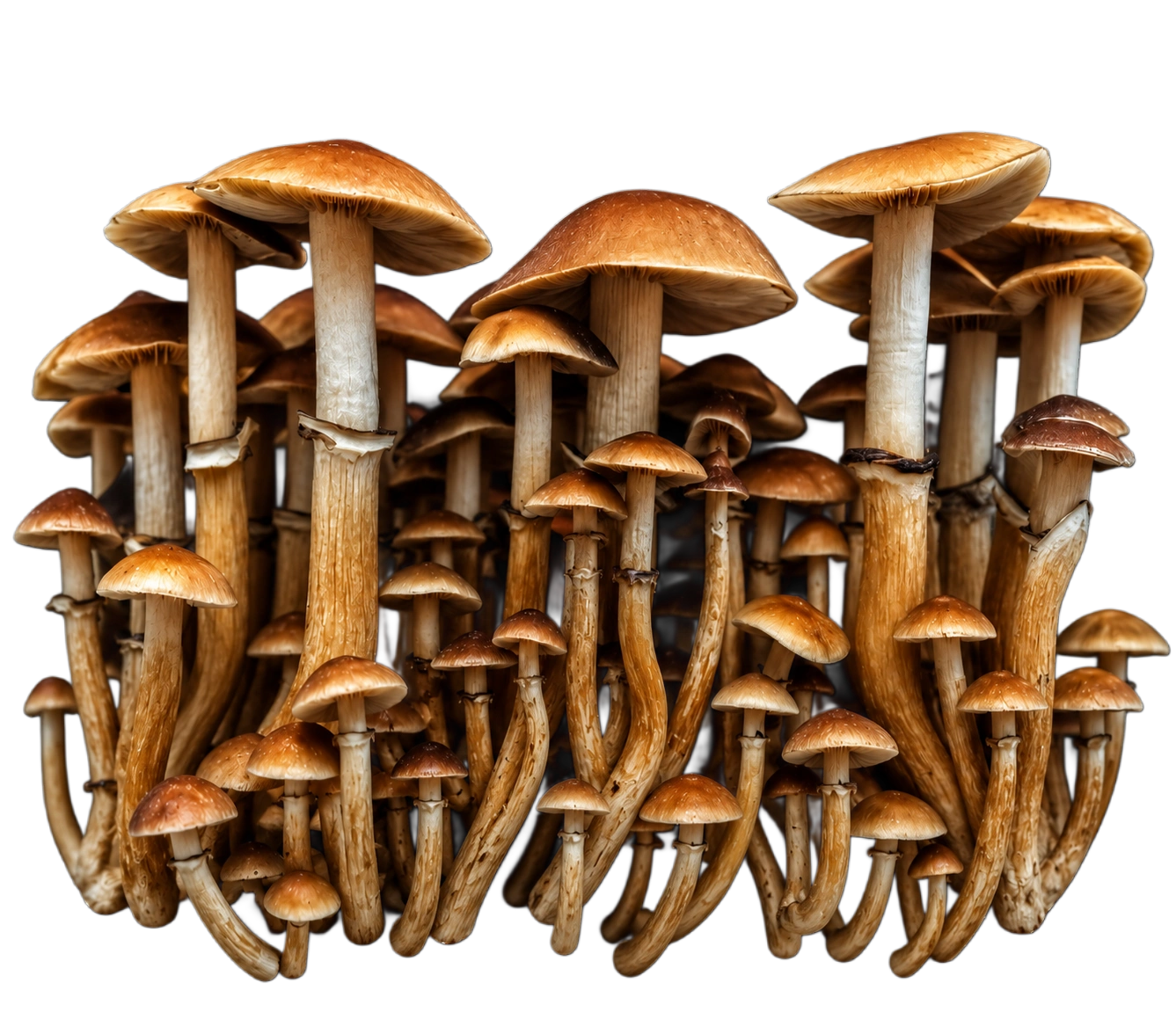
Thai refers to a historic group genetics that originated from naturally occurring populations throughout Thailand. As one of the species’ native regions, Thailand has produced several of the most respected geographic isolates in mycology, including Koh Samui, Ban Hua Thanon, Lipa Yai, and Elephant Dung. Although each of these collections possesses its own unique characteristics, they all trace their roots to the diverse wild cubensis populations found across Thailand’s tropical landscape.
Thai varieties are known for expressing classic features. Mature specimens typically develop strong white stems, golden to caramel-colored caps, and the characteristic blue bruising that appears when the tissue is handled. Like other members of the species, Thai genetics produce dark purple-brown spores and display the balanced morphology that has made them a favorite among collectors and researchers for decades.
Thailand has long been recognized as one of the most important natural habitats. Wild populations have been documented growing throughout the country’s warm, humid regions, particularly in nutrient-rich grasslands and pasture environments following seasonal rainfall. These naturally occurring populations have preserved a remarkable range of genetic diversity, providing the foundation for many of the Thai isolates that continue to circulate within the mycology community today.
Rather than representing a single cultivated variety, Thai is best understood as a geographic lineage encompassing numerous wild collections from across the country. These landrace genetics have played an important role in mushroom breeding, with many modern cultivars tracing part of their ancestry back to Thai isolates. Their broad genetic diversity has made them valuable to collectors, breeders, and researchers interested in preserving naturally occurring genetics.

Reviews
There are no reviews yet.